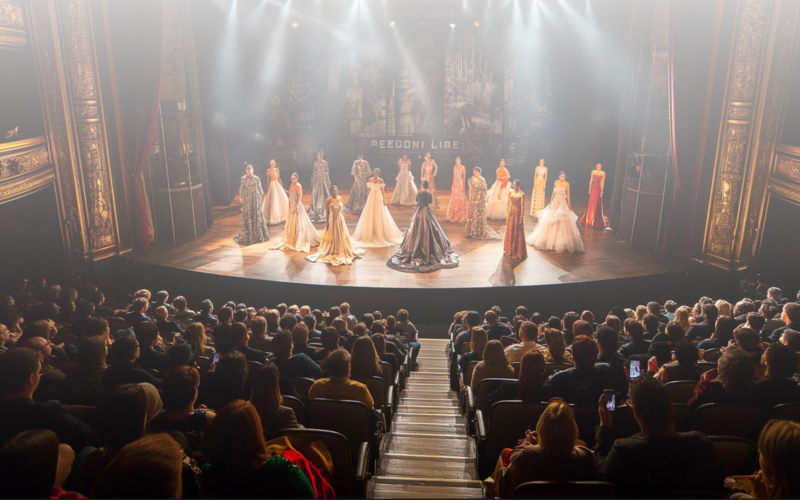
A patron purchases four tickets to Saturday night’s performance.
Your ticketing system knows the purchaser. It knows the transaction. It knows the seats. It may know quite a bit about that person’s history with your organization.
But three other people walk through the doors with them.
Who are they?
For many live event organizations, the answer is surprisingly simple: we don’t know.
And that may be one of the biggest untapped audience opportunities in the building.
A Sold Seat and a Known Audience Member Aren’t the Same Thing
Ticketing systems are exceptionally good at doing what they were designed to do: sell and manage tickets.
But the person who buys a ticket isn’t necessarily the person sitting in the seat.
One purchaser may buy tickets for a spouse and two friends. A subscriber may bring a different guest to every performance. Someone may receive a ticket from a colleague. A donor may invite friends. A company may distribute a block of tickets to employees or clients.
The seats are occupied. The audience is there.
But the organization may have a relationship with only one person in the group.
That’s an important distinction because attendance isn’t the same as audience identity.
Your Next Audience Is Already in the Building
Live event organizations spend enormous amounts of time and money trying to reach new people.
They invest in advertising, email acquisition, social media, direct mail, promotions, partnerships, and other forms of audience development.
All of that matters.
But every performance also presents an audience development opportunity that has historically been much harder to capture: the people who are already sitting in the room.
They’ve already overcome the hardest hurdle in marketing.
They showed up.
They are experiencing the performance, the artists, the venue, the organization, and the brand firsthand. Yet some may leave without the organization ever knowing who they were.
The opportunity isn’t simply to count those people.
It’s to begin a relationship with them.
This Is Where the Digital Program Changes
For years, the program book couldn’t help solve this problem.
A printed program could be beautifully designed, informative, and valuable to the patron experience. But 1,000 programs distributed still represented 1,000 largely anonymous interactions. Once those programs left the venue, there was no persistent connection between the publication and the person who held it.
Simply moving that same publication onto a screen doesn’t fundamentally change anything.
A PDF accessed through a QR code may eliminate printing, but the audience can remain just as anonymous.
The real opportunity emerges when the digital program becomes an identity point.
A patron scans a QR code because they want something useful: tonight’s program, artist information, production notes, statistics, upcoming events, or other content surrounding the experience.
That interaction creates an opportunity for something the traditional program book could never provide: a direct, permission-based connection between the organization and the individual audience member.
Now the program isn’t simply delivering content.
It’s helping the organization understand its audience.
Know Every Person in Every Seat
This is the bigger idea behind where digital programs are heading.
The goal isn’t to replace the ticketing system. Ticketing remains an essential source of information about purchasers, transactions, and attendance.
The opportunity is to fill in what happens beyond the purchaser.
Who came with them?
Who is attending for the first time?
Who has been here before?
Who is interested enough to explore another performance?
Who engages with a sponsor?
Who might become a subscriber, donor, member, volunteer, or advocate?
The closer an organization gets to answering those questions, the less its audience looks like a collection of transactions and the more it looks like a community of individual relationships.
That’s the difference between knowing how many people were in the room and knowing the people in the room.
The Relationship Can Outlast the Performance
Identity also changes what happens after the curtain falls.
An anonymous attendee leaves as an anonymous attendee.
A known audience member can become part of an ongoing relationship.
That person can discover another performance, receive relevant communication, engage with the organization again, support a sponsor, make a donation, purchase a membership, or return with three more people next month.
And when they do return, the relationship doesn’t have to start over.
Over time, each performance can add another layer of understanding: who attended, when they attended, what interested them, and how their relationship with the organization is developing.
That’s when a digital program stops being simply another way to distribute content.
It starts becoming audience infrastructure.
The Seat Is Only the Beginning
A full house will always matter.
But the opportunity in front of live event organizations is becoming much bigger than filling every seat.
It’s understanding the people sitting in them.
Ticketing can tell you who purchased the ticket.
The next generation of digital audience experiences can help answer the question that comes next:
Who’s sitting beside them?
Because the future of audience development isn’t simply selling more tickets.
It’s knowing every person in every seat and building a relationship that lasts long after they leave.