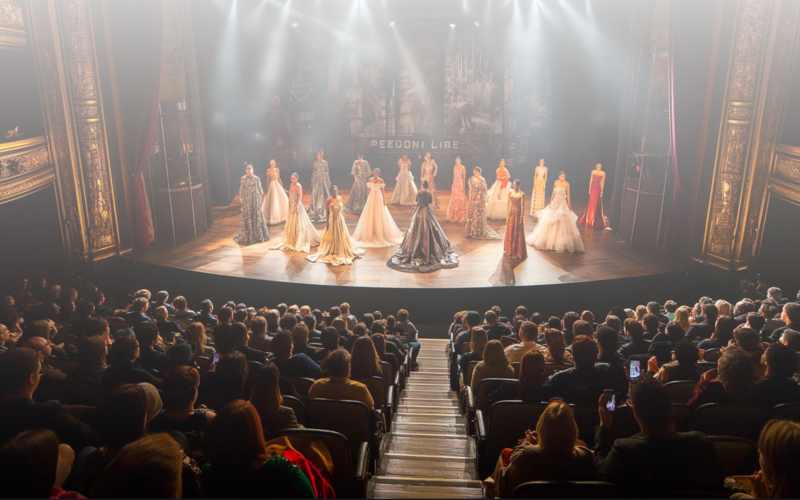
I attended Friday night.
I came back Saturday.
Same venue. Same organization. Maybe a completely different performance.
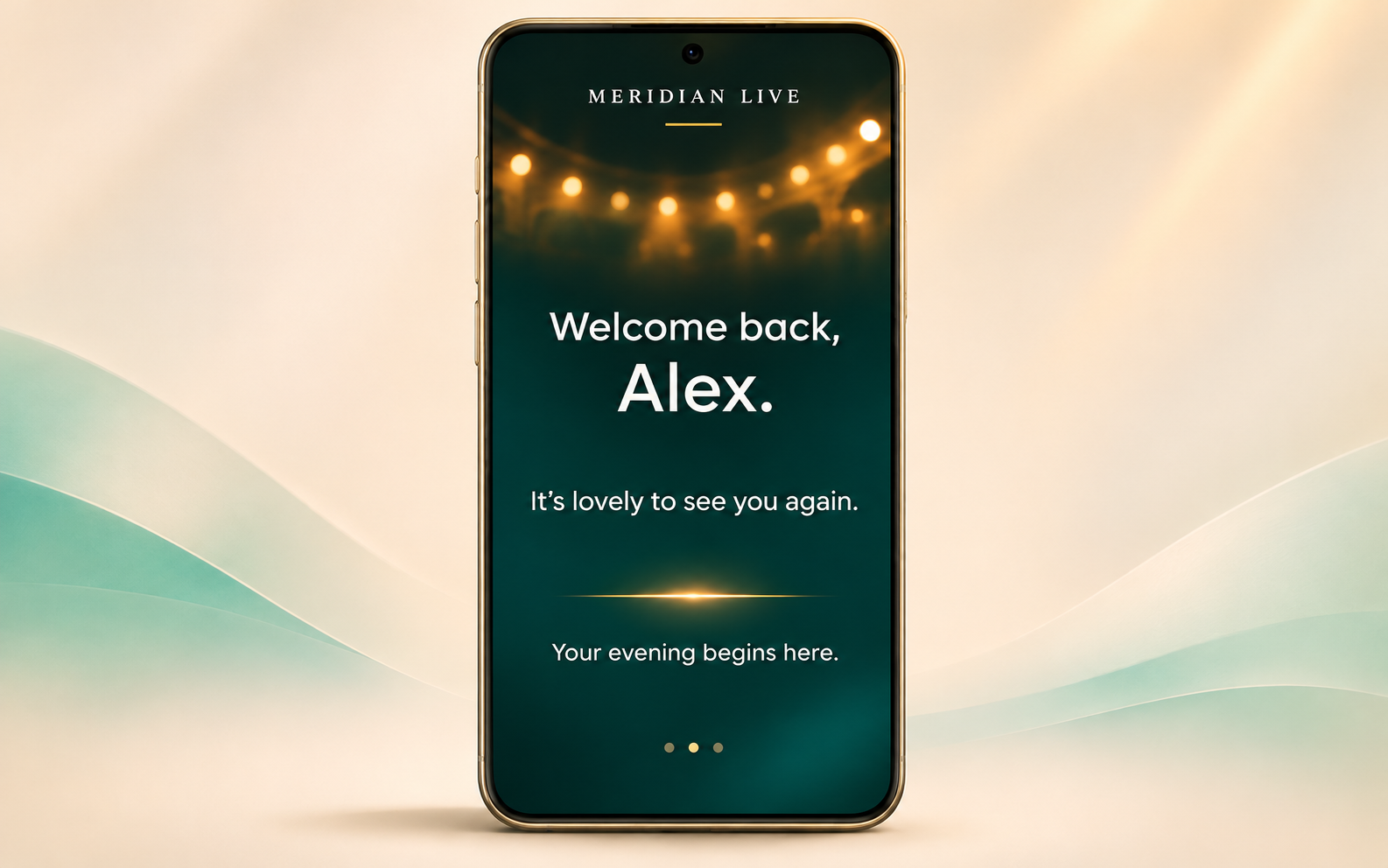
So why does the digital experience treat me like we’ve never met?
I scan the QR code, open the program, and start from scratch. As far as the technology is concerned, I’m just another anonymous visitor.
Never mind that I was here yesterday.
Or last month.
Or six times this season.
For an industry built around creating memorable experiences, there’s something remarkably forgettable about the way we often interact with our audiences digitally.
A digital program shouldn’t reset when the curtain falls. Neither should the audience relationship.
Every Performance Shouldn’t Be a First Introduction
Think about the relationships live event organizations work so hard to build.
A season subscriber becomes a familiar face. A family returns for an annual tradition. A sports fan attends every home game. A concertgoer discovers a venue and begins exploring its entire calendar.
These relationships develop over time.
Yet the digital experience often treats every event as an isolated occurrence.
A new program is published. A new QR code is distributed. A new collection of scans and page views is recorded.
The event ends, the analytics are reviewed, and the process starts again.
The organization may know how many people accessed Friday’s program and how many accessed Saturday’s.
But does it know how many were the same people?
More importantly, does it know how those relationships are developing?
That’s the difference between measuring individual events and understanding an audience.
A Person Is More Than a Page View
Traditional digital analytics are built around activity.
Someone opens a page. Someone clicks a link. Someone spends three minutes reading content.
Those interactions are useful, but without a persistent identity connecting them, they remain isolated moments.
Imagine a patron who attends a concert in October, returns for a holiday performance in December, and comes back with friends in February.
Across those three events, that person might explore upcoming performances, engage with a sponsor, read about an artist, or click a ticketing link.
Without continuity, those interactions can appear to be unrelated visits.
With a persistent audience profile, they begin telling a story.
The organization can recognize a returning attendee, understand patterns of engagement, and develop a clearer picture of what interests that individual.
The value isn’t simply knowing that someone opened a program. It’s knowing that the person opening it has a history with your organization.
Recognition Shouldn’t Require Friction
Of course, there’s an important balance.
Nobody wants to complete a registration form every time they attend an event. And patrons shouldn’t have to create an account simply to read a program.
The experience needs to remain effortless.
A guest scans a QR code, initiates a simple SMS exchange, receives a link, and opens the program.
That interaction can establish an initial connection through a mobile number, with appropriate messaging permissions.
From there, the audience profile can become richer as the patron chooses to engage further.
Perhaps they provide a name or email address. Perhaps they sign in to participate in an interactive feature. Perhaps they return for another performance and engage with something different.
The important point is that identity doesn’t have to be collected all at once.
It can develop naturally.
And once that relationship begins, the organization should have the ability to build upon it rather than starting over with every event.
The Audience Relationship Should Get Smarter
Consider what happens when engagement is connected across multiple performances.
A first-time attendee becomes a returning guest.
A returning guest explores a subscription.
A subscriber begins attending a different type of event.
A patron who initially came for one performer discovers an interest in the organization’s broader programming.
Each interaction contributes another piece of understanding.
Over time, an organization can begin identifying meaningful patterns: who’s new, who’s returning, what interests different audience members, and which experiences encourage continued engagement.
This isn’t about collecting data simply because technology makes it possible.
It’s about using what the audience voluntarily shares and does to make future relationships more relevant.
A person who regularly explores upcoming events may appreciate information about similar experiences.
Someone engaging with educational content may be interested in a related community program.
A first-time guest may benefit from a different follow-up than a longtime subscriber.
Those are opportunities to communicate with greater relevance rather than treating everyone as an interchangeable name on a mailing list.
This Changes How We Define Audience Growth
Audience growth is usually measured by familiar numbers.
Ticket sales. Attendance. New subscribers. Email list growth.
All are important.
But persistent identity introduces another dimension: how well does the organization know the audience it already has?
Imagine two organizations with similar attendance.
One sees thousands of program opens throughout the season but has little ability to connect those interactions to individual people.
The other is progressively building a known audience, recognizing returning patrons, and understanding engagement across events.
The second organization has the potential to build something the first cannot easily measure: a continuously developing relationship with its audience.
That has implications far beyond the digital program.
It can inform marketing, audience retention, membership development, fundraising, sponsorship, and future ticket sales.
Not because the program replaces those systems, but because it can help connect the people and behaviors that traditional systems often see only in fragments.
The Program Is Temporary. The Relationship Isn’t.
Every event has a beginning and an end.
The doors open. The performance begins. The audience applauds. The lights come up, and everyone heads home.
The program itself is tied to that particular experience.
But the person who opened it isn’t.
They have interests, preferences, memories, and a developing relationship with the organization.
That relationship may continue next weekend, next season, or years from now.
A modern digital program should help preserve that continuity.
The content can change from one performance to the next. The experience can be tailored to the event. New sponsors, artists, performers, and opportunities can appear.
But the audience identity behind those interactions should have the opportunity to persist.
That’s when the digital program begins evolving from an event-by-event publishing tool into something much more valuable: a connection between the organization and the people who keep coming back.
Remember the People, Not Just the Performance
Live events are built around experiences people remember.
The incredible concert. The winning goal. The standing ovation. The unforgettable night out with friends.
Organizations work hard to create those moments.
Now technology offers an opportunity to extend the relationship beyond them.
Not through more complicated digital experiences or endless registration requirements, but by recognizing that the person attending tonight may be the same person who attended yesterday.
And that every interaction can contribute to a deeper understanding of who they are and what brings them back.
The next time I open your digital program, I shouldn’t have to feel like a complete stranger.
Your digital program should remember me.
Because the best audience relationships aren’t built one event at a time.
They’re built by connecting those events into something that lasts.