What if your next audience is already sitting in your venue?
Live event organizations invest considerable time, money, and energy attracting new patrons. Advertising campaigns, social media, email marketing, community partnerships, and promotional offers all serve the same purpose: getting more people through the doors.
Yet every performance presents an opportunity that often goes overlooked. There are people already sitting in those seats who may be completely unknown to the organization hosting them.
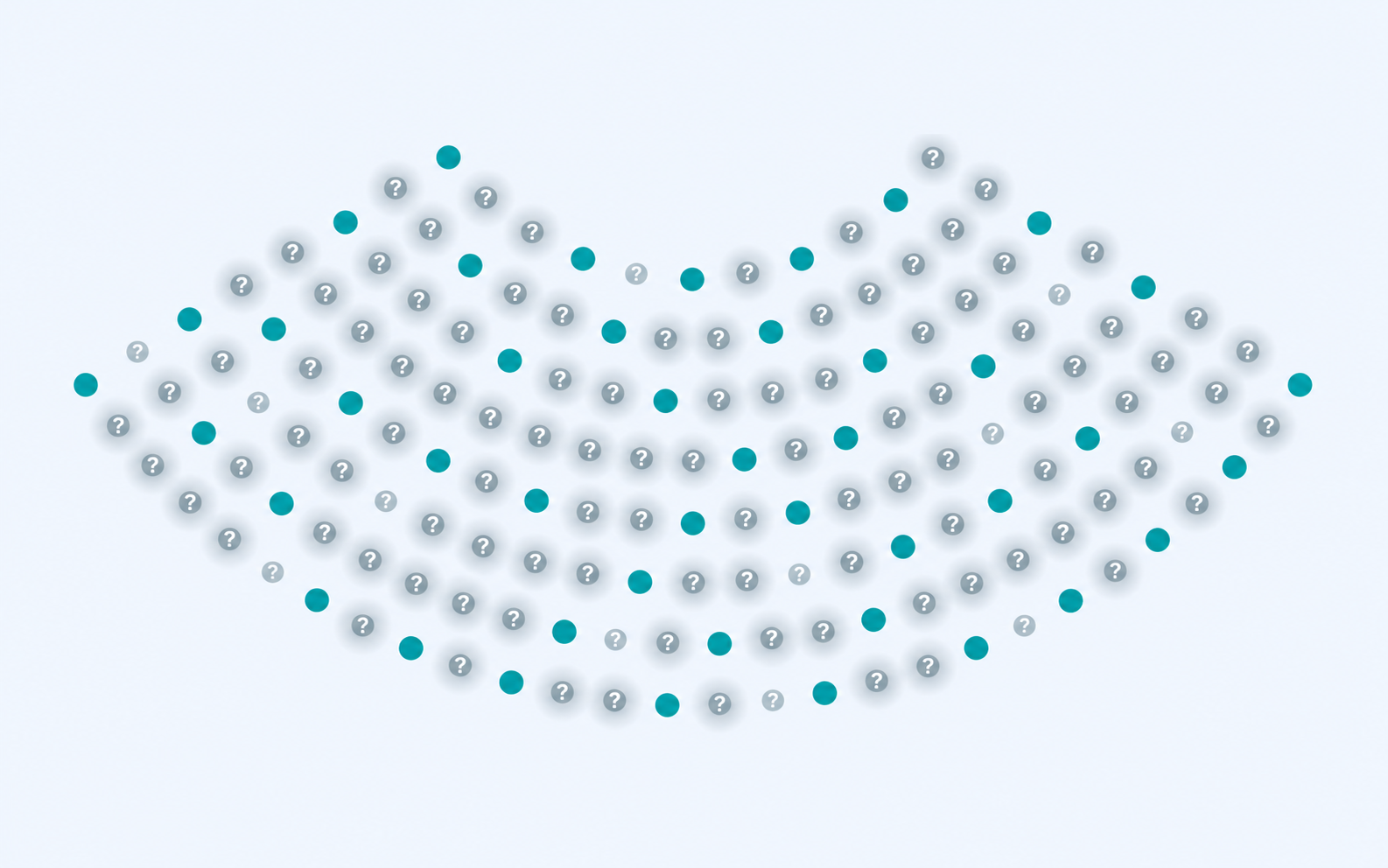
They purchased no ticket directly. They aren’t on a mailing list. They may have never interacted with the organization before arriving that evening.
But they’re there. They’re experiencing the event. And they represent something extraordinarily valuable: an audience you didn’t have to acquire, but haven’t yet had the opportunity to know.
The Audience Acquisition Paradox
Consider a familiar scenario.
A patron purchases four tickets to a performance. The ticketing system records the transaction, recognizes the purchaser, and assigns the seats. From an operational standpoint, everything works exactly as intended.
But what about the other three people?
Perhaps one is a spouse, another is a friend, and the third is attending for the first time. Each has a different relationship with the organization, different interests, and different potential to return.
Yet the organization may know virtually nothing about any of them.
Now multiply that scenario across hundreds or thousands of seats, dozens of performances, and an entire season.
The resulting gap can be substantial.
Organizations may spend heavily to reach new audiences through external marketing while overlooking opportunities to connect with people who have already demonstrated interest by attending.
You don’t necessarily need to find your next audience. Part of it may already be sitting in your seats.
Attendance Isn’t the Same as Audience Identity
Ticketing systems provide essential information about purchases, subscriptions, and transactions. Some also capture individual ticket-holder information, depending on how tickets are purchased and distributed.
But knowing who purchased admission isn’t necessarily the same as knowing who attended.
Companions, corporate guests, transferred ticket holders, group attendees, and invited friends can all remain outside the organization’s direct audience relationships.
This distinction matters because the value of an audience extends well beyond the original transaction.
An attendee might become a subscriber, member, donor, volunteer, sponsor, or repeat customer. They might introduce friends to future events or develop an entirely new connection with the organization.
But those opportunities become much harder to pursue when the organization doesn’t know who the person is or have permission to communicate with them.
A full venue is a measure of attendance.
A known audience is the foundation for lasting relationships.
The Economics of Knowing Who’s Already There
Audience acquisition has a cost.
Organizations pay to reach potential patrons, generate interest, encourage purchases, and convert unfamiliar prospects into attendees. The process can involve multiple campaigns and touchpoints before someone finally decides to attend.
But what about the person who arrives as someone else’s guest?
That individual has already crossed a significant threshold. They’ve entered the venue and experienced the organization firsthand, even though they may never have appeared in its marketing database.
The organization still needs to earn that person’s continued interest. Attendance alone doesn’t guarantee loyalty or another purchase.
But identifying that individual creates an opportunity to begin a relationship without having to first attract them through a separate acquisition campaign.
Instead of spending additional marketing dollars trying to reach an unknown prospect, the organization can begin engaging someone who has already experienced what it offers.
At scale, this changes how audience development can work.
Every performance becomes both an event and an opportunity to grow the organization’s known audience.
The Digital Program Creates a New Point of Connection
Historically, identifying these previously unknown attendees has been difficult.
A printed program could provide information, recognize supporters, promote upcoming events, and enhance the experience. But it couldn’t establish a direct relationship with the person reading it.
A modern digital program creates a different opportunity.
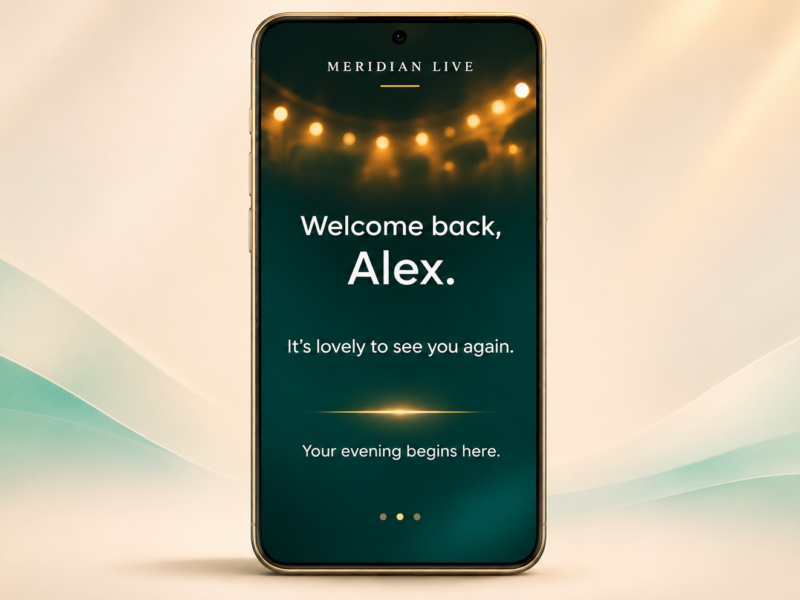
When an attendee scans a QR code to access the program through a simple SMS exchange, the organization can begin establishing a connection with that individual through their mobile number, subject to appropriate messaging permissions.
The patron receives something immediately useful: the program for the event they’re attending.
The organization gains an opportunity to begin recognizing someone who may otherwise have remained anonymous.
From there, the relationship can develop naturally. Additional identity information, engagement activity, and future interactions can enrich the audience profile over time.
What begins as access to a digital program can become a persistent connection between an organization and a real person.
And importantly, that connection isn’t limited to whoever purchased the tickets.
It can begin with anyone sitting in the audience who chooses to engage.
Every New Identity Creates New Possibilities
The value of identifying an attendee isn’t simply adding another contact to a database.
It’s what the organization can learn and do as the relationship develops.
A first-time guest might explore upcoming performances. A returning attendee might show interest in a subscription. Someone attending a community event might discover an educational program. Another patron might engage with a sponsor or express interest in supporting the organization’s mission.
With permission-based communication and meaningful engagement information, organizations can begin making those future interactions more relevant.
Rather than treating everyone as an anonymous member of a crowd, they can begin understanding individuals, their interests, and how their relationships evolve across events.
That creates opportunities for more effective marketing, stronger audience retention, and additional revenue without relying exclusively on attracting entirely new people.
The audience becomes more than a list of transactions.
It becomes a growing network of relationships.
The Real Value Compounds Over Time
One performance can introduce an organization to previously unknown attendees.
The next can reveal which of those individuals returned.
Over an entire season, the organization can begin developing a clearer understanding of who attends, how frequently they engage, what interests them, and which opportunities encourage continued participation.
That information becomes increasingly valuable because the relationship doesn’t have to start over with every event.
Traditional attendance reporting tells an organization how many people showed up.
Persistent audience identity can help reveal how the audience itself is growing and changing.
This is where digital programs begin evolving beyond publishing tools. They become an entry point into a continuously developing source of first-party audience intelligence.
The program may be what brings the patron into the experience.
The relationship is what creates the lasting value.
The Audience You Already Have
There’s nothing wrong with investing in new audience acquisition. Growing attendance will always be an important objective for live event organizations.
But growth shouldn’t depend exclusively on finding people who have never walked through the doors.
Some of the most promising opportunities may already be present at every performance, sitting beside known ticket buyers, attending as guests, or discovering the organization for the first time.
The challenge is recognizing them and creating a reason for the relationship to continue.
Because filling a seat creates an opportunity for tonight.
Knowing the person sitting in it creates opportunities for tomorrow.
And the organizations that begin closing that gap may discover that one of their most valuable untapped audiences has been right in front of them all along.