Nobody starts a career in the performing arts because they love chasing deadlines.
Marketing directors want to grow audiences. Development teams want to cultivate donors. Executive directors want to strengthen their organizations and advance their mission. These are the responsibilities that create impact and inspire people to come to work every day.
Yet as program book season approaches, something begins to shift.
Conversations become less about audience growth and more about logistics. Instead of discussing marketing strategy, staff members are following up on missing biographies, reminding departments about deadlines, tracking sponsor advertisements, consolidating edits, and trying to determine who has the latest proof.
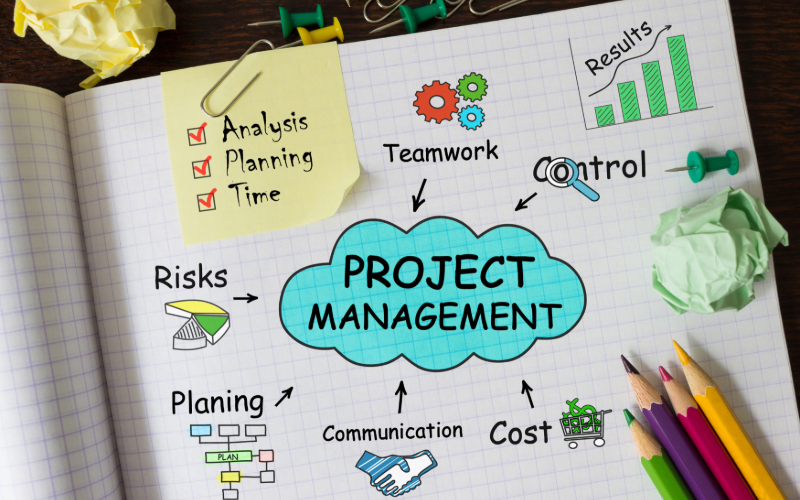
Without realizing it, some of an organization’s most talented people become project managers.
The Work Changes
Program books are important. They recognize donors, fulfill sponsor commitments, enhance the patron experience, and reflect the professionalism of the organization.
The challenge is not the publication itself.
The challenge is everything required to keep the publication moving.
When responsibilities are spread across multiple departments, coordination quickly becomes a full-time job. Someone has to remind people about deadlines. Someone has to collect missing content. Someone has to reconcile conflicting edits. Someone has to answer questions and keep the project moving forward.
Those responsibilities rarely appear in a job description.
But they often consume a surprising amount of time.
The Hidden Opportunity
Every hour spent coordinating publishing logistics is an hour not spent growing ticket sales, cultivating donors, developing sponsorships, or engaging audiences.
That is the real cost.
The goal is not to eliminate the work. Program books deserve care and attention.
The goal is to make sure your most experienced people spend their time on the work only they can do.
Great organizations understand that operational systems should support strategic work, not compete with it. When the publishing process becomes structured, predictable, and professionally managed, internal teams regain the capacity to focus on the activities that move the organization forward.
What Success Actually Looks Like
Imagine program book season where your team is not wondering who still owes content or whether the latest proof includes every correction.
Instead, everyone knows what is expected. Deadlines are clear. Communication is consistent. Proofs arrive on schedule. The process simply works.
Your team submits content.
Reviews proofs.
Approves the publication.
Then gets back to the work that grows the organization.
That is not about producing a better program book.
It is about creating a better use of your team’s time and talent.
The Bottom Line
Your best employees were hired because they bring creativity, leadership, and strategic thinking to your organization.
They should not spend program book season acting as traffic coordinators.
A well-designed publishing process removes unnecessary coordination, creates clarity, and allows talented people to focus on what they do best.
Because the best program book process is not the one that keeps everyone busy.
It is the one that gives your team the freedom to do the work that matters most.
If your team is spending more time coordinating program book production than growing audiences, cultivating donors, or advancing your mission, it may be time for a different approach.
Answer four quick questions and we’ll recommend the publishing model that best fits your organization.